Making the Most of a Cottage Kitchen: Meal Ideas for Self-Catering Holidays
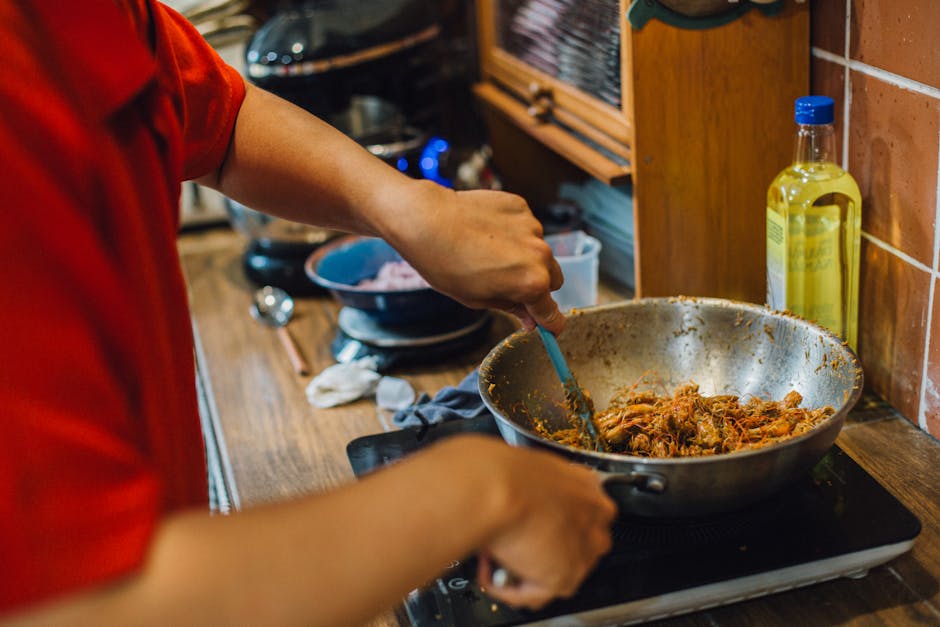
One of the best advantages of cottage holidays is the freedom to cook your own meals. Unlike hotels where you're limited to restaurant options and set mealtimes, a cottage kitchen lets you eat what you want, when you want. But self-catering only works well if you approach it sensibly.
Plan your meals before you arrive. Spend ten minutes jotting down breakfast, lunch, and dinner ideas for your stay. This prevents daily decisions about what to cook and unnecessary shopping trips. Group meals by ingredients—if you're using chicken one night, plan another chicken meal nearby to avoid waste.
Shop locally. Rather than doing one massive supermarket shop, visit local markets, butchers, and greengrocers. Food is fresher, often cheaper, and you'll discover local specialities. Many villages have farm shops with excellent produce. This approach also means you're buying what you actually need rather than overloading your cottage fridge.
Keep breakfasts simple. Porridge, eggs, toast, yoghurt with granola, and fresh fruit require minimal effort and cook quickly. Good breakfasts set you up for active days without consuming cooking time. Invest in decent bread from a local bakery—it transforms simple meals.
Embrace one-pot meals. Cottage kitchens vary in equipment and space. One-pot dishes—stews, curries, pasta bakes, risottos—minimise washing up and maximise flavour. These meals are forgiving, improve when made a day ahead, and free you from constant cooking attention.
Prepare simple lunches. Packed sandwiches, salads, soups, and leftovers from dinner are ideal for active days out. Thermos flasks keep hot drinks warm during countryside walks. This approach is cheaper than café lunches and keeps you flexible about timing.
Pick dinners that impress without stress. Slow-cooked casseroles, roasted vegetables with good quality meat, fresh fish, and pasta dishes look impressive but require minimal technique. Cooking for a group is easier when you choose dishes that can be prepared ahead and reheated, giving you time to relax with guests.
Utilise the cottage's unique advantages. If there's a log burner, use it as a focal point for evening meals. If you have outdoor space, grill vegetables and meat. Many cottages have gardens—use fresh herbs and vegetables. These touches make self-catering feel like a genuine experience rather than a chore.
Don't overcomplicate things. Holiday cooking should be enjoyable, not stressful. Choose recipes you've made before rather than attempting ambitious new dishes. Your goal is relaxation, not culinary achievement.
Share the cooking. If you're with family or friends, delegate tasks. Children can prepare salads or set tables; partners can handle drinks. Shared cooking becomes entertainment and strengthens bonds.
Well-planned self-catering transforms cottages from simple accommodation into genuine homes-away-from-home where you eat brilliantly without stress.